
Click here to request your free consultation.
Understanding and Treating TMD/TMJ Disorders: A Holistic Approach at Advantage Health & Wellness
At Advantage Health & Wellness in Morgantown, WV, we believe in addressing health concerns from the ground up, using integrated therapies to restore balance and relieve pain. One common issue we see in our clinic is Temporomandibular Disorder (TMD), often referred to as TMJ disorder. This condition affects the jaw joint and surrounding muscles, impacting daily activities like eating, speaking, and even smiling. In this blog post, we’ll provide a clear overview of TMD, including its symptoms and causes, and explain how a combination of chiropractic treatment, physical therapy, and medical massage can offer effective relief. Our multidisciplinary approach helps patients achieve lasting results without relying solely on medications or invasive procedures.
What Are TMD/TMJ Disorders?
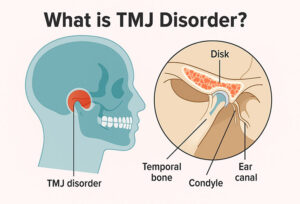
The temporomandibular joint (TMJ) connects your jawbone to your skull, acting like a sliding hinge that enables essential movements for chewing, talking, and yawning. TMD encompasses a group of more than 30 conditions that cause pain and dysfunction in this joint and the muscles controlling jaw movement. It’s a prevalent issue, affecting up to 20-30% of adults at some point in their lives, and can range from mild discomfort to severe, chronic pain.
Common Symptoms of TMD
Symptoms often develop gradually and can vary from person to person. Key signs include:
- Jaw pain or tenderness, especially when chewing or opening the mouth wide.
- Headaches, earaches, or facial pain that radiates from the jaw.
- Clicking, popping, or grating sounds when moving the jaw.
- Limited range of motion or locking of the jaw.
- Difficulty chewing or a sudden uncomfortable bite, as if the upper and lower teeth don’t fit together properly.
If you’re experiencing these, it’s important to seek professional evaluation, as untreated TMD can lead to worsening pain and reduced quality of life.
Causes of TMD
The exact cause of TMD isn’t always clear, but it often results from a combination of factors. Common contributors include:
- Injury or trauma to the jaw, such as from an accident or impact.
- Teeth grinding (bruxism) or clenching, often due to stress or anxiety.
- Arthritis in the TMJ, including osteoarthritis or rheumatoid arthritis.
- Misalignment of the jaw or teeth.
- Muscle tension or spasms from overuse, poor posture, or habits like gum chewing.
- Autoimmune diseases, infections, or even dental procedures that strain the joint.
Stress plays a significant role, as it can lead to unconscious clenching, exacerbating muscle strain and joint issues.
How a Combination of Therapies Can Effectively Treat TMD
At Advantage Health & Wellness, we tailor treatment plans to each patient’s needs, often combining chiropractic care, physical therapy, and medical massage for optimal results. This integrated approach addresses the root causes—misalignment, muscle tension, and dysfunctional movement—rather than just masking symptoms. Studies show that non-surgical, multidisciplinary interventions like these can significantly reduce pain and improve function.
Chiropractic Treatment for TMD
Chiropractic care focuses on restoring proper alignment and function to the spine, neck, and jaw. Misalignments in the cervical spine can contribute to TMJ issues by affecting nerve signals and muscle balance. Through gentle adjustments, chiropractors can realign the TMJ, reduce pressure on nerves, and alleviate pain. Techniques like spinal adjustments and soft tissue manipulation help decrease inflammation and improve jaw mobility. Many patients report immediate relief after sessions, with long-term benefits from regular care. In our clinic, we use evidence-based methods to ensure safe, effective treatment.
Physical Therapy for TMD
Physical therapy targets the muscles and joints directly, using exercises and modalities to strengthen and stretch the affected areas. A physical therapist might guide you through posture improvements, relaxation techniques, and specific jaw exercises like the Rocabado 6×6 routine to enhance flexibility and reduce stiffness. Treatments can include ultrasound, joint mobilization, and stabilization exercises to restore normal mechanics and prevent recurrence. This not only eases pain but also empowers patients with tools for self-management at home.
Medical Massage for TMD
Medical massage therapy complements the other treatments by focusing on releasing tension in the jaw, neck, and facial muscles. Techniques such as myofascial release, trigger point therapy, and gentle kneading help relax tight muscles like the masseter and temporalis, which are often overworked in TMD. By improving blood flow and reducing knots, massage can provide quick pain relief and enhance overall relaxation. When combined with chiropractic and PT, it addresses soft tissue components that adjustments and exercises alone might miss.
The Power of Combination Therapy
Using these therapies together creates a synergistic effect. For instance, chiropractic adjustments set the foundation by correcting alignment, physical therapy builds strength and mobility, and massage ensures muscles remain relaxed and responsive. This holistic method has been shown to be highly effective in reducing stress on the TMJ, promoting healing, and preventing future episodes. At our Morgantown clinic, patients often see improvements in just a few sessions, with customized plans that fit their lifestyle.
Enhancing TMD Treatment Through Co-Treatment with Dentists
For the most comprehensive and effective management of TMD/TMJ disorders, we strongly advocate a multidisciplinary approach that includes co-treatment with dentists. Dentists play a crucial role by providing custom-fitted occlusal splints or night guards to reduce bruxism (teeth grinding), protect the joint from excessive pressure, and promote muscle relaxation—often serving as a foundational conservative therapy. This dental intervention complements our in-clinic chiropractic adjustments, physical therapy exercises, and medical massage by addressing occlusal imbalances or bite issues that may contribute to jaw strain. Research supports this collaborative model, showing improved outcomes when conservative dental treatments like splints are combined with physical therapies and manual techniques. At Advantage Health & Wellness, we frequently collaborate with local dentists in Morgantown to ensure seamless care, tailoring plans that integrate splint therapy with our services for faster pain relief, better jaw function, and long-term prevention of recurrence.
Conclusion
TMD/TMJ disorders can be debilitating, but with the right approach, relief is within reach. At Advantage Health & Wellness in Morgantown, WV, our team of chiropractors, physical therapists, and massage therapists works collaboratively to help you regain comfort and function. If you’re dealing with jaw pain or related symptoms, don’t wait—schedule a consultation today to explore how our integrated treatments can benefit you.
Click here to request your free consultation.
Sources:
- Mayo Clinic: TMJ disorders – Symptoms and causes
- Cleveland Clinic: TMJ Disorders: Symptoms & Treatment
- NIDCR: TMD (Temporomandibular Disorders)
- Michael R. Nichols, DMD, MD: 6 Common Signs of a TMJ Disorder
- Children’s Hospital: Temporomandibular Joint Disorders (TMD)
- TMJ.org: TMJ Basics
- AAFP: Diagnosis and Treatment of Temporomandibular Disorders
- Cedars-Sinai: Temporomandibular Disorders (TMD)
- NIH: Temporomandibular Disorder Treated With Chiropractic Therapy
- Towson Chiro: Chiropractic Treatment for TMJ
- Cleveland Clinic: TMJ Pain? Massage and Jaw Exercises May Help
- TMJ Massage Therapies
- NIH: Temporomandibular Disorder Treated With Chiropractic Therapy
- Proclinix: TMJ Dysfunction
- Body in Balance Chiro: Can a Chiropractor Help TMJ?
- Oakland Spine and Physical Therapy: Jaw Pain and Chiropractic
- Choose PT: Physical Therapy Guide to Temporomandibular Disorder
- BenchMark PT: Physical Therapy Exercises for TMJ Disorders
- DrBicuspid: TMJ disorders: Examining the role of the dentist, chiropractor, and physical therapist
- Management and Treatment of Temporomandibular Disorders: A Clinical Perspective – PMC
- Dentists’ Awareness of Physical Therapy in the Treatment of Temporomandibular Disorders – PMC
- Temporomandibular disorders: improving outcomes using a multidisciplinary approach – PubMed
